
Upper Blepharoplasty at 39: 1-Month Natural Result
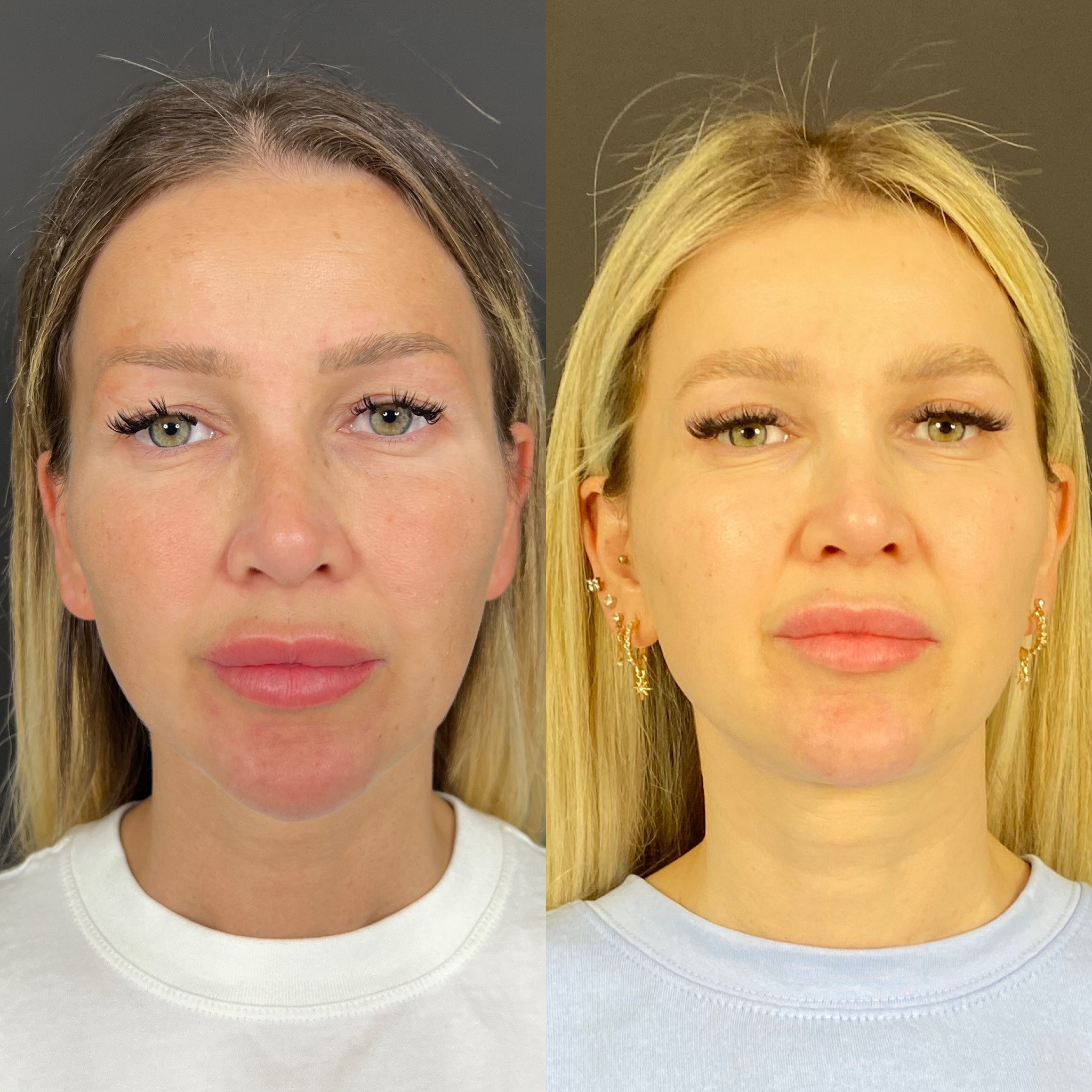
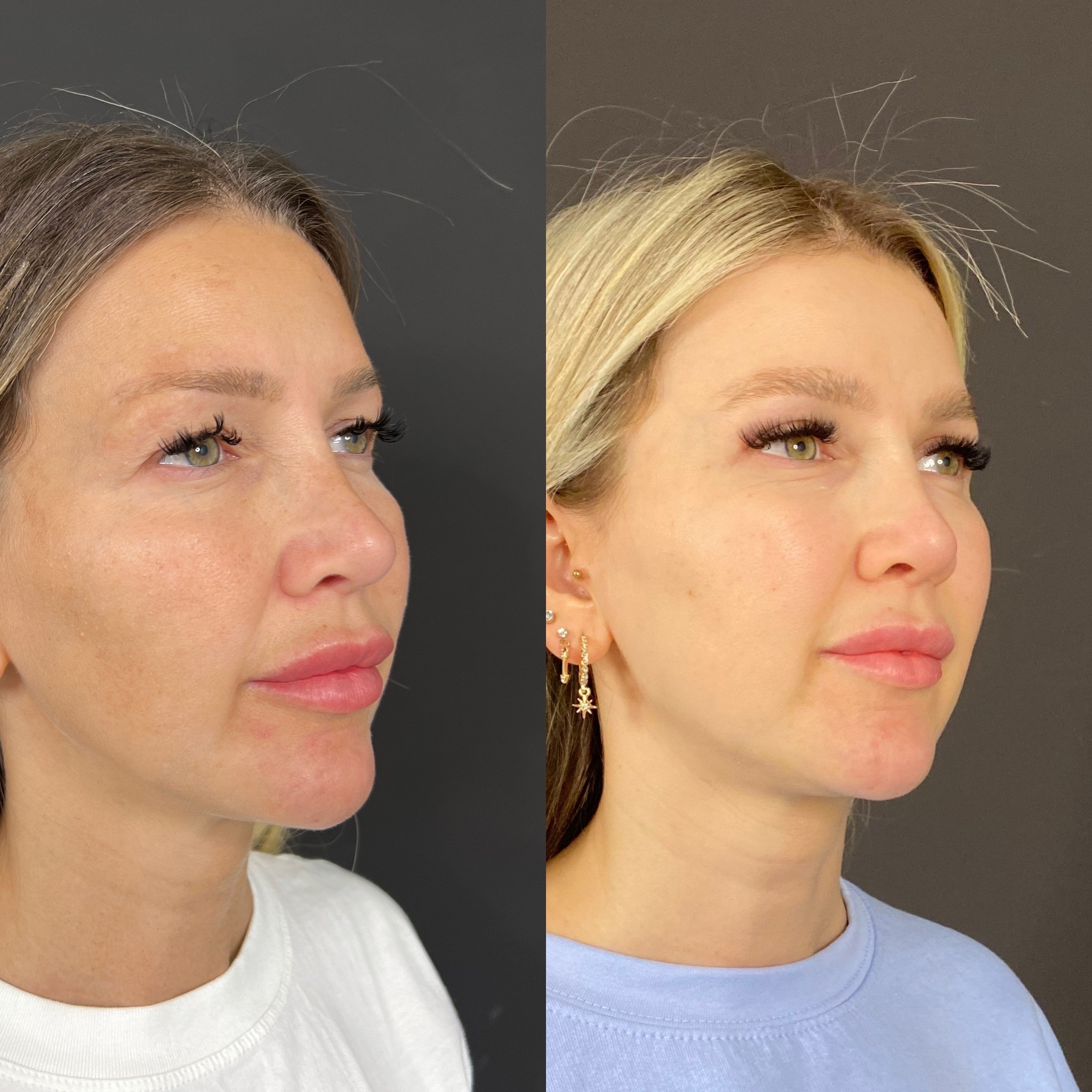
Before and after upper eyelid blepharoplasty at 1 month in a 39-year-old female. Natural eye lift results by board-certified plastic surgeon in Istanbul, Turkey

Patient Overview
Patient: Leyla
Age: 39
Gender: Female
Procedures: Upper eyelid surgery (blepharoplasty)
After photos taken at: 1 month post-op
Location: Istanbul, Turkey
The Late Thirties Eyelid: When Prevention Meets Correction
Thirty-nine is an interesting age for upper blepharoplasty. The eyelid changes are usually established enough to warrant surgery but recent enough that the tissue quality remains excellent — elastic skin, minimal sun damage to the lid surface, and strong underlying muscle tone. Leyla's case sits precisely in this window. She presented with upper eyelid heaviness that was creating a hooded appearance, making her eyes look smaller and more fatigued than she felt. The excess skin had begun to fold over the natural crease, partially obscuring it and reducing the visible lid platform.
What makes this timing advantageous is that the correction tends to be conservative. There is no need to remove large amounts of tissue or address secondary changes like brow descent or deep orbital hollowing that may accompany eyelid ageing in later decades. The surgery can focus purely on restoring what was recently lost.
Assessing How Much Skin to Remove
The most consequential decision in upper blepharoplasty is not whether to operate but how much tissue to excise. Remove too little and the result feels incomplete. Remove too much and the eyelid cannot close fully — a complication called lagophthalmos that can lead to dry eyes, corneal exposure, and the need for revision surgery. Dr. Cem Berkay Sinaci, a European board-certified plastic surgeon (FEBOPRAS) and member of ISAPS and ASPS, uses a pinch test during the preoperative marking to determine the precise amount of skin that can be safely removed while maintaining comfortable, complete eyelid closure.
In Leyla's case, the excess was moderate — enough to create visible hooding but not so much that the brow had compensated by chronically elevating. This distinction matters because when a patient has been unconsciously raising their brows to lift heavy lids, removing the eyelid skin can cause the brow to relax downward postoperatively, sometimes creating a result that looks heavier than expected. Recognising this dynamic before surgery allows the surgeon to plan accordingly.
The Procedure Under Local Anaesthesia
Leyla's upper blepharoplasty was performed under local anaesthesia, which is standard practice for isolated upper eyelid surgery. After precise marking of the skin to be excised, local anaesthetic is administered to the upper lids, numbing the area completely. The patient remains awake and comfortable throughout a procedure that typically takes between forty-five minutes and one hour for both eyes.
The incision follows the natural upper eyelid crease, ensuring that the resulting scar sits within a fold that is concealed when the eyes are open. Through this incision, the marked skin and a thin strip of the underlying orbicularis muscle are removed. If there is a small herniation of orbital fat contributing to upper lid fullness, this can be conservatively addressed through the same approach.
Why Non-Dissolvable Sutures Produce Better Eyelid Scars
For closing the upper blepharoplasty incision, Dr. Sinaci exclusively uses non-dissolvable suture material. The eyelid skin is among the thinnest on the entire body — typically less than one millimetre thick. In tissue this delicate, the inflammatory reaction caused by dissolvable sutures as they break down can leave a wider, more irregular scar. Non-dissolvable sutures generate minimal tissue reaction, sit passively in the wound while it heals, and are removed in a brief clinic visit four to six days after surgery. The result is a fine, precise scar line that fades to near-invisibility within weeks.
Reading the One-Month Before and After Photos
At one month, Leyla's result is very close to final. The upper lid crease is cleanly defined and visible — a marked change from the hooded, obscured crease seen in her preoperative photographs. The eyes appear larger, more open, and refreshed without any trace of a surgical or overdone appearance. There is no hollow look above the crease, confirming that the tissue removal was appropriately conservative.
Residual healing at this stage is subtle. There may be minor firmness along the incision line that will continue to soften over the following two months. Some patients notice slight asymmetry in the crease definition during this period, which typically equalises as the tissues complete their remodelling. By three months, the result is considered fully mature.
Upper Blepharoplasty as a Standalone Rejuvenation
One of the reasons upper eyelid surgery remains among the most popular facial procedures worldwide is its ability to deliver meaningful rejuvenation as a standalone operation. Leyla did not require a brow lift, forehead treatment, or any complementary procedure. The hooded eyelids were the singular issue ageing her upper face, and correcting them alone was enough to restore a balanced, youthful eye appearance. This makes upper blepharoplasty an efficient option for patients in their late thirties and forties — a single procedure with a short recovery that produces a lasting, natural improvement.
Choosing Eyelid Surgery in Istanbul
For international patients considering an eye lift in Turkey, Leyla's case illustrates what a straightforward upper blepharoplasty can achieve when the indication is clear and the execution is precise. The procedure is performed as a day case — no overnight hospital stay is required — and most patients are comfortable returning to light social activities within seven to ten days. The one-month result shown here reflects the kind of natural, undetectable outcome that allows patients to enjoy their refreshed appearance without anyone identifying exactly what changed.