
5-Day Rhinoplasty Result With Ultrasonic Piezo Method
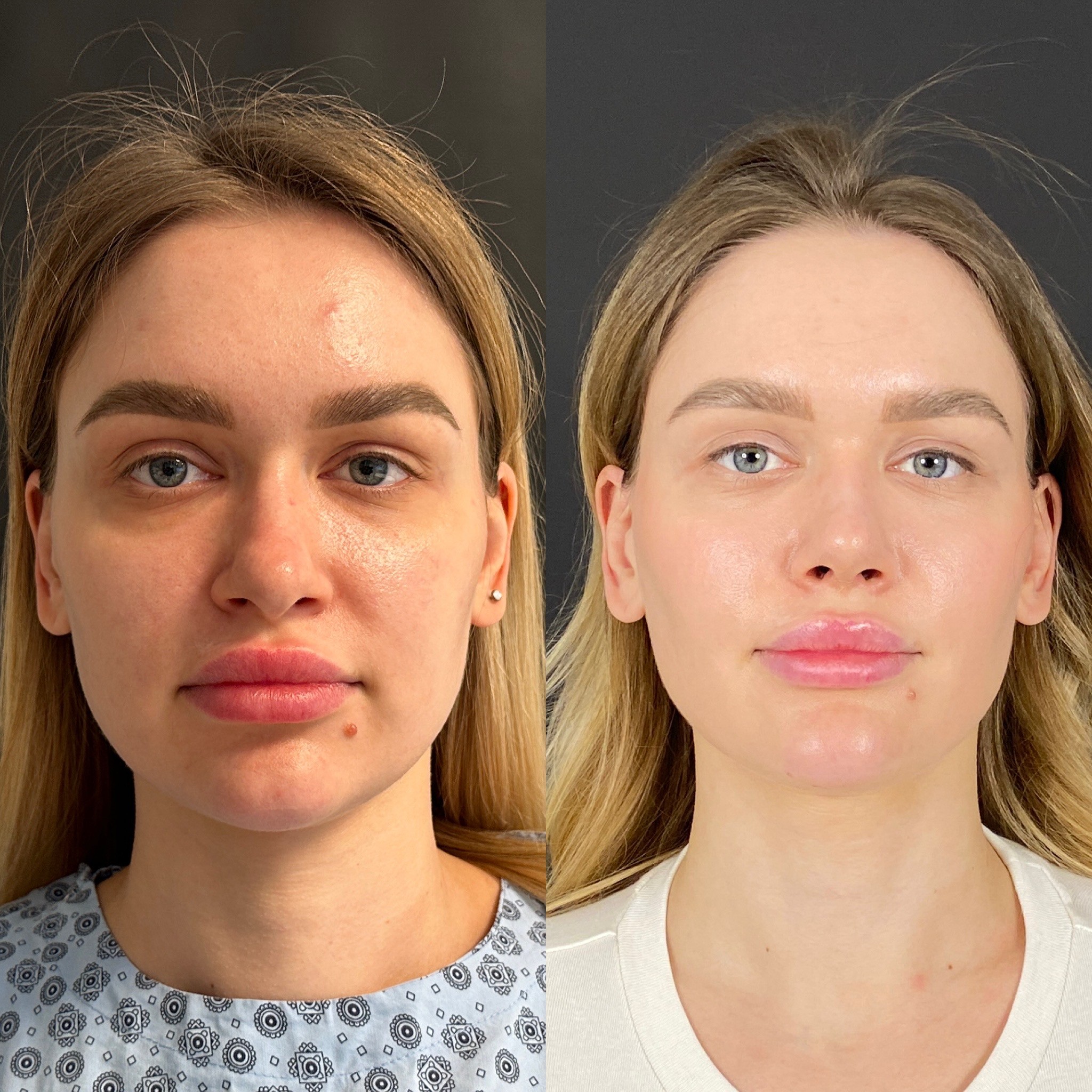
5-day before after of ultrasonic piezo rhinoplasty with minimal swelling and bruising for 29-year-old female by board-certified surgeon Dr. Sinaci in Istanbul.


Patient Overview
Patient: Inesa
Age: 29 years old
Gender: Female
Procedures: Ultrasonic piezo rhinoplasty
After photos taken at: 5 days post-surgery
Location: Istanbul, Turkey
The First Five Days After Rhinoplasty — What Happens Inside Your Nose
Most patients focus on the external appearance of their nose during the first days after rhinoplasty, watching the bruising and swelling and wondering when they will see their new shape. But the most important events during this period are happening inside, invisible to the eye and critical to the long-term success of the result. For Inesa, a 29-year-old woman whose day-five photographs already show a visible transformation with minimal bruising and swelling following ultrasonic piezo rhinoplasty in Istanbul, the external appearance is encouraging. What is equally important is understanding the internal biological processes that are building the foundation of a result that will last a lifetime. Her surgery was performed by Dr. Cem Berkay Sinaci, a Fellow of the European Board of Plastic Reconstructive and Aesthetic Surgery (FEBOPRAS) and active member of ISAPS and ASPS.
The Biological Healing Cascade During Days One Through Five
The moment surgery ends, the body begins a precisely orchestrated healing sequence that unfolds in stages. Within the first hours, the inflammatory phase activates. Blood flow increases to the surgical area, delivering white blood cells and platelets that begin clearing damaged cells and sealing the tiny vessels disrupted during surgery. This is why swelling develops — it is not a complication but the body's delivery system, flooding the area with the cellular resources needed to initiate repair.
By day two to three, the proliferative phase begins overlapping with the inflammatory phase. Fibroblasts, the cells responsible for producing collagen, migrate to the surgical sites and begin laying down the early structural matrix that will eventually hold everything together. The repositioned nasal bones are surrounded by a blood clot that is already organising into the precursor of new bone — a process called callus formation that will ultimately fuse the osteotomy sites into solid, stable bone.
At day five, where Inesa's photographs were taken, the internal environment is a construction site of biological activity. The initial inflammatory surge is subsiding, the early collagen matrix is forming around the cartilage grafts and suture sites, and the bone healing is well underway. Externally, this translates into swelling that has already begun to decrease from its peak and bruising that, thanks to the piezo technique, was minimal to begin with and is already fading.
Why Piezo Rhinoplasty Patients Look Different at Day Five
In a conventional rhinoplasty at day five, the patient's midface is typically dominated by bruising. Dark discolouration extends from beneath the eyes across the cheeks, sometimes reaching as far as the lower eyelids and upper lip. The nasal bridge is swollen enough that the early shape is difficult to discern, and the overall appearance is one that most patients prefer to keep private.
Inesa's five-day result presents a markedly different picture. The ultrasonic piezo device used for her bony work preserved the soft tissue envelope surrounding the nasal bones, which means the capillary beds that produce bruising and the lymphatic channels that manage fluid drainage remained intact throughout the procedure. The practical consequence is dramatically reduced bruising and swelling from the earliest days of recovery.
At day five, Inesa's transformation is already visible. The refined nasal profile is apparent even with the mild residual swelling that is present at this early stage. The periorbital region shows minimal discolouration compared to what conventional instruments would have produced. This early visibility of the result is one of the most appreciated aspects of piezo rhinoplasty — patients do not have to wait weeks to see evidence that the surgery has achieved what they hoped for.
The Nasal Splint and What Patients Experience in the First Five Days
The external nasal splint is typically the most visible reminder of recent surgery during the first week. This lightweight protective shell is applied over the nasal bridge at the end of the procedure and serves two purposes: it stabilises the repositioned nasal bones during the critical early healing period, and it applies gentle compression that helps control swelling and encourages the skin to begin conforming to the reshaped framework beneath.
Patients wear the splint continuously for approximately seven days. During this time, the nose feels congested because internal splints or light packing supports the septum and internal structures. Breathing occurs primarily through the mouth for the first few days, which can feel uncomfortable but is temporary. By day three to four, some nasal airflow typically returns as internal swelling begins to decrease.
Inesa's day-five photographs were taken while the external splint had been recently removed or was temporarily off for documentation. What the images reveal is the early nasal shape emerging from beneath the protection, a preview that gives both surgeon and patient confidence that the structural reshaping has achieved its intended outcome.
Caring for Your Nose During the Critical First Week
The first five days represent the most vulnerable period for the healing nasal structures, and patient behaviour during this window directly influences the quality of the long-term result. Several guidelines protect the fragile early healing. Sleeping with the head elevated on two to three pillows reduces swelling by promoting fluid drainage away from the face. Avoiding any contact with the nose, no matter how gentle, prevents displacement of the healing bone and cartilage. Glasses cannot be rested on the nasal bridge for four to six weeks, as even their light weight can shift the repositioned bones before they have fully solidified.
Cold compresses applied to the cheeks and periorbital region during the first 48 hours help limit swelling without placing pressure on the nose itself. Strenuous exercise, bending forward, and any activity that raises blood pressure are avoided for the first two weeks because increased blood flow to the face can worsen swelling and increase the risk of bleeding. Sneezing should be done with the mouth open to prevent pressure buildup inside the nose, and nose blowing is strictly avoided for at least two weeks.
These precautions may sound extensive, but they are straightforward in practice and become routine within the first day or two. Inesa's minimal swelling at day five reflects not only the tissue-preserving benefit of piezo technology but also careful adherence to postoperative care instructions that protected her early result.
What Inesa's Day-Five Photos Mean for Her Long-Term Result
A promising day-five result with piezo rhinoplasty is an encouraging early indicator, but it is essential to understand where this sits in the full healing timeline. The nose at day five is approximately five percent of the way through its complete healing journey. The bones are stabilising but not yet fused. The cartilage grafts are integrating but not yet fully incorporated. The skin is beginning to redrape but has not yet contracted to its final form.
Over the coming weeks and months, the result will progressively refine. The bridge will maintain its smooth contour as the last traces of bony swelling resolve. The supratip area will flatten gradually between months one and six. The tip will become progressively more defined as the nasal skin contracts over the cartilage framework, a process that continues for 12 to 18 months in most patients. What Inesa sees at day five is the earliest evidence of a transformation that will sharpen and improve with each passing month.
The fact that her result is already visibly transformed at such an early stage speaks to both the precision of the piezo technique and the quality of the structural work performed beneath the skin. A nose that looks refined at day five, when swelling could easily obscure the surgical detail, is a nose that has been meticulously sculpted at every structural level.
Early Rhinoplasty Results and Choosing Piezo Technology in Istanbul
For patients evaluating rhinoplasty options, day-five photographs like Inesa's provide a realistic preview of what the earliest recovery stage looks like with ultrasonic piezo technology. The contrast with conventional recovery at the same timeframe is significant and measurable in both the degree of bruising and the speed at which the result becomes socially presentable. Dr. Sinaci's practice in Istanbul combines piezo instrumentation with the structural rhinoplasty philosophy developed through fellowship training with world-renowned surgeon Raul Gonzalez in Brazil and detailed nasal anatomy training in Bangkok. For patients like Inesa who seek both a refined result and a rapid recovery, this combination of advanced technology and international surgical training delivers on both objectives from the very first days after surgery.
Thought process
Thought process
Patient Overview
Patient: Inesa
Age: 29 years old
Gender: Female
Procedures: Ultrasonic piezo rhinoplasty
After photos taken at: 5 days post-surgery
Location: Istanbul, Turkey
H1: Five-Day Rhinoplasty Result With Ultrasonic Piezo Method (57 chars)
Meta Description: 5-day before after of ultrasonic piezo rhinoplasty with minimal swelling and bruising for 29-year-old female by board-certified surgeon Dr. Sinaci in Istanbul. (158 chars)
The First Five Days After Rhinoplasty — What Happens Inside Your Nose
Most patients focus on the external appearance of their nose during the first days after rhinoplasty, watching the bruising and swelling and wondering when they will see their new shape. But the most important events during this period are happening inside, invisible to the eye and critical to the long-term success of the result. For Inesa, a 29-year-old woman whose day-five photographs already show a visible transformation with minimal bruising and swelling following ultrasonic piezo rhinoplasty in Istanbul, the external appearance is encouraging. What is equally important is understanding the internal biological processes that are building the foundation of a result that will last a lifetime. Her surgery was performed by Dr. Cem Berkay Sinaci, a Fellow of the European Board of Plastic Reconstructive and Aesthetic Surgery (FEBOPRAS) and active member of ISAPS and ASPS.
The Biological Healing Cascade During Days One Through Five
The moment surgery ends, the body begins a precisely orchestrated healing sequence that unfolds in stages. Within the first hours, the inflammatory phase activates. Blood flow increases to the surgical area, delivering white blood cells and platelets that begin clearing damaged cells and sealing the tiny vessels disrupted during surgery. This is why swelling develops — it is not a complication but the body's delivery system, flooding the area with the cellular resources needed to initiate repair.
By day two to three, the proliferative phase begins overlapping with the inflammatory phase. Fibroblasts, the cells responsible for producing collagen, migrate to the surgical sites and begin laying down the early structural matrix that will eventually hold everything together. The repositioned nasal bones are surrounded by a blood clot that is already organising into the precursor of new bone — a process called callus formation that will ultimately fuse the osteotomy sites into solid, stable bone.
At day five, where Inesa's photographs were taken, the internal environment is a construction site of biological activity. The initial inflammatory surge is subsiding, the early collagen matrix is forming around the cartilage grafts and suture sites, and the bone healing is well underway. Externally, this translates into swelling that has already begun to decrease from its peak and bruising that, thanks to the piezo technique, was minimal to begin with and is already fading.
Why Piezo Rhinoplasty Patients Look Different at Day Five
In a conventional rhinoplasty at day five, the patient's midface is typically dominated by bruising. Dark discolouration extends from beneath the eyes across the cheeks, sometimes reaching as far as the lower eyelids and upper lip. The nasal bridge is swollen enough that the early shape is difficult to discern, and the overall appearance is one that most patients prefer to keep private.
Inesa's five-day result presents a markedly different picture. The ultrasonic piezo device used for her bony work preserved the soft tissue envelope surrounding the nasal bones, which means the capillary beds that produce bruising and the lymphatic channels that manage fluid drainage remained intact throughout the procedure. The practical consequence is dramatically reduced bruising and swelling from the earliest days of recovery.
At day five, Inesa's transformation is already visible. The refined nasal profile is apparent even with the mild residual swelling that is present at this early stage. The periorbital region shows minimal discolouration compared to what conventional instruments would have produced. This early visibility of the result is one of the most appreciated aspects of piezo rhinoplasty — patients do not have to wait weeks to see evidence that the surgery has achieved what they hoped for.
The Nasal Splint and What Patients Experience in the First Five Days
The external nasal splint is typically the most visible reminder of recent surgery during the first week. This lightweight protective shell is applied over the nasal bridge at the end of the procedure and serves two purposes: it stabilises the repositioned nasal bones during the critical early healing period, and it applies gentle compression that helps control swelling and encourages the skin to begin conforming to the reshaped framework beneath.
Patients wear the splint continuously for approximately seven days. During this time, the nose feels congested because internal splints or light packing supports the septum and internal structures. Breathing occurs primarily through the mouth for the first few days, which can feel uncomfortable but is temporary. By day three to four, some nasal airflow typically returns as internal swelling begins to decrease.
Inesa's day-five photographs were taken while the external splint had been recently removed or was temporarily off for documentation. What the images reveal is the early nasal shape emerging from beneath the protection, a preview that gives both surgeon and patient confidence that the structural reshaping has achieved its intended outcome.
Caring for Your Nose During the Critical First Week
The first five days represent the most vulnerable period for the healing nasal structures, and patient behaviour during this window directly influences the quality of the long-term result. Several guidelines protect the fragile early healing. Sleeping with the head elevated on two to three pillows reduces swelling by promoting fluid drainage away from the face. Avoiding any contact with the nose, no matter how gentle, prevents displacement of the healing bone and cartilage. Glasses cannot be rested on the nasal bridge for four to six weeks, as even their light weight can shift the repositioned bones before they have fully solidified.
Cold compresses applied to the cheeks and periorbital region during the first 48 hours help limit swelling without placing pressure on the nose itself. Strenuous exercise, bending forward, and any activity that raises blood pressure are avoided for the first two weeks because increased blood flow to the face can worsen swelling and increase the risk of bleeding. Sneezing should be done with the mouth open to prevent pressure buildup inside the nose, and nose blowing is strictly avoided for at least two weeks.
These precautions may sound extensive, but they are straightforward in practice and become routine within the first day or two. Inesa's minimal swelling at day five reflects not only the tissue-preserving benefit of piezo technology but also careful adherence to postoperative care instructions that protected her early result.
What Inesa's Day-Five Photos Mean for Her Long-Term Result
A promising day-five result with piezo rhinoplasty is an encouraging early indicator, but it is essential to understand where this sits in the full healing timeline. The nose at day five is approximately five percent of the way through its complete healing journey. The bones are stabilising but not yet fused. The cartilage grafts are integrating but not yet fully incorporated. The skin is beginning to redrape but has not yet contracted to its final form.
Over the coming weeks and months, the result will progressively refine. The bridge will maintain its smooth contour as the last traces of bony swelling resolve. The supratip area will flatten gradually between months one and six. The tip will become progressively more defined as the nasal skin contracts over the cartilage framework, a process that continues for 12 to 18 months in most patients. What Inesa sees at day five is the earliest evidence of a transformation that will sharpen and improve with each passing month.
The fact that her result is already visibly transformed at such an early stage speaks to both the precision of the piezo technique and the quality of the structural work performed beneath the skin. A nose that looks refined at day five, when swelling could easily obscure the surgical detail, is a nose that has been meticulously sculpted at every structural level.
Early Rhinoplasty Results and Choosing Piezo Technology in Istanbul
For patients evaluating rhinoplasty options, day-five photographs like Inesa's provide a realistic preview of what the earliest recovery stage looks like with ultrasonic piezo technology. The contrast with conventional recovery at the same timeframe is significant and measurable in both the degree of bruising and the speed at which the result becomes socially presentable. Dr. Sinaci's practice in Istanbul combines piezo instrumentation with the structural rhinoplasty philosophy developed through fellowship training with world-renowned surgeon Raul Gonzalez in Brazil and detailed nasal anatomy training in Bangkok. For patients like Inesa who seek both a refined result and a rapid recovery, this combination of advanced technology and international surgical training delivers on both objectives from the very first days after surgery.